 Scriplume
Plan the Book
Organize pages and spreads around narrative purpose, text, characters, location, mood, visual action, and page-turn intent.
First publishing focus
Children’s books are the first focus of our browser workspace, now in development. The vision below includes future illustration tools; AI artwork generation and visual-continuity review are not available on this website yet.
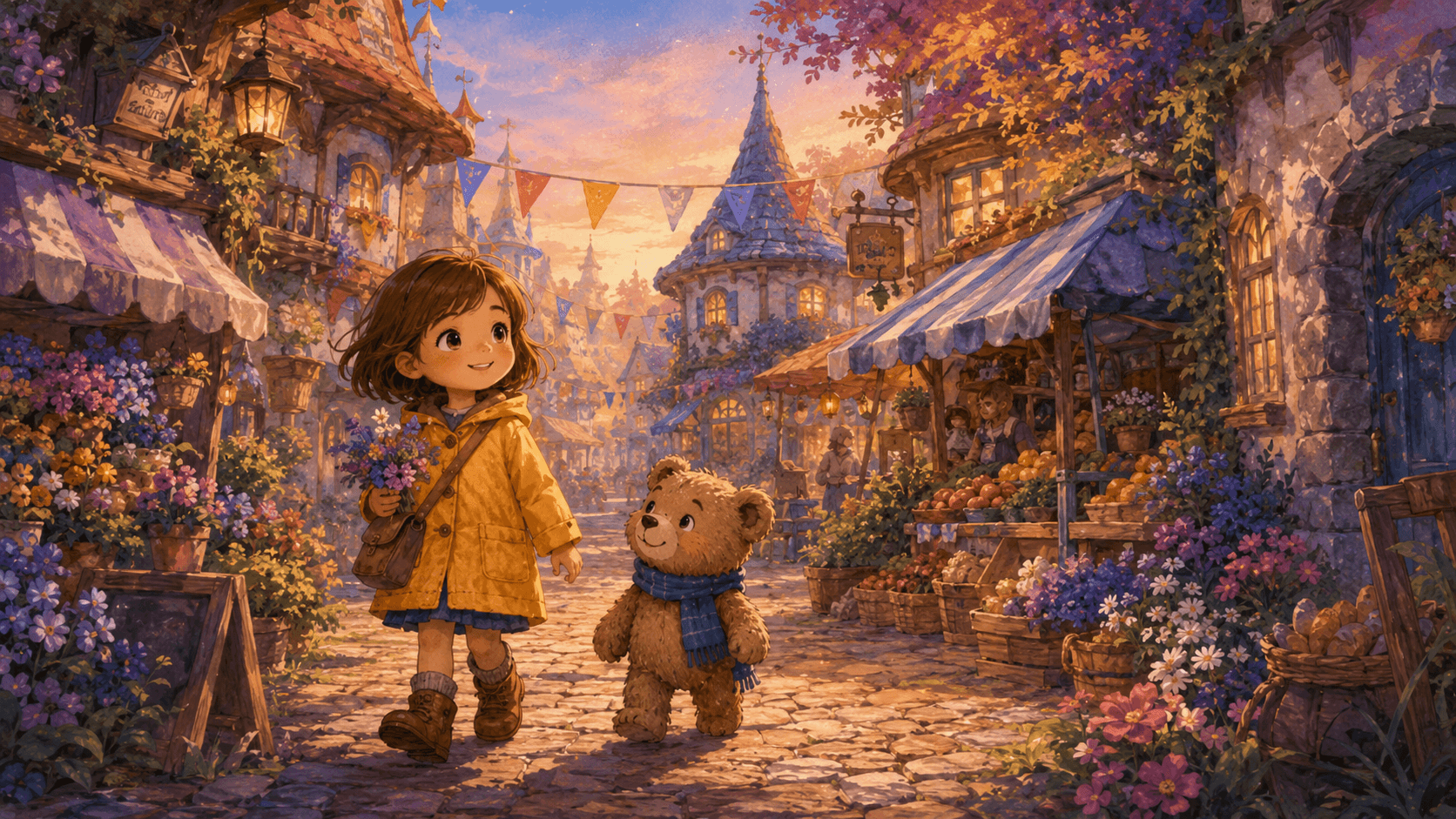

Story and image, connected
The planned workflow starts with your own uploaded artwork. AI-created illustrations will follow as we develop the visual tools. Both will connect to your characters, places, and page layouts, without a bundled stock-art collection.
Organize pages and spreads around narrative purpose, text, characters, location, mood, visual action, and page-turn intent.
Create a narrative identity alongside a persistent visual identity: appearance, clothing, colors, proportions, distinguishing features, and approved references.
Store recurring character, location, prop, and art-direction references as part of the project—not isolated image prompts.
Reference established characters, location, props, action, composition, mood, and visual style in scene requests.
Notice when a recurring character, object, or environment may have drifted from its established appearance.
Generated artwork remains something to direct, compare, approve, reject, and revise—not something silently declared final.